Paul’s final journey ended in 57 AD, and he wrote an epistle to Ephesus in 62 AD. In this letter, He professed that Jesus is the foundation of the Church, with apostles and prophets serving as its pillars. Paul presents the fivefold ministry, relating these abilities to five distinct offices of ministry:
- Apostle
- Prophet
- Pastor
- Teacher
- Evangelist
These five anointed elements where vital in the organic and eternal value of a church. They provided the necessary spiritual growth for revival and providing a foundation for sign, wonders and miracles in which God the Father receives all the glory, and not man. This declaration is only made once in the Bible, in the Ephesians 4 text. Elders were ordained by men. However, the office ministries of Ephesians 4:11, NIV are ordained by God the Father Himself. These gifts are given to “some” who are called to a specific ministry role in the church. Not everyone has one of these gifts. This stands in contrast to the spiritual gifts freely distributed to everyone as a believer in the following passages of scripture: 1 Corinthians 12:1-11, NIV.
Demetrius the Silversmith and the Turbulence in Ephesus
In Acts 19:23–41,NKJV Paul’s ministry significantly influenced a turbulent time in Ephesus, leading to a riot. Demetrius, a silversmith who created shrines honouring Artemis, started to fear the growing impact of Christianity as a threat because it began to diverts people away from His business of idolatry. This riot illustrated the religious and economic turmoil caused by the spread of the gospel. Artemis, the Greek Goddess, was known as the Olympian goddess of hunting, the woods, and untamed animals. She was also a goddess of childbirth and the guardian of girls until they reached marriage age, while her twin brother, Apollon, served the same role for boys. Together, the these two demonic entities brought sickness and unexpected death, with Artemis targeting women and girls, and Apollon targeting men and boys.
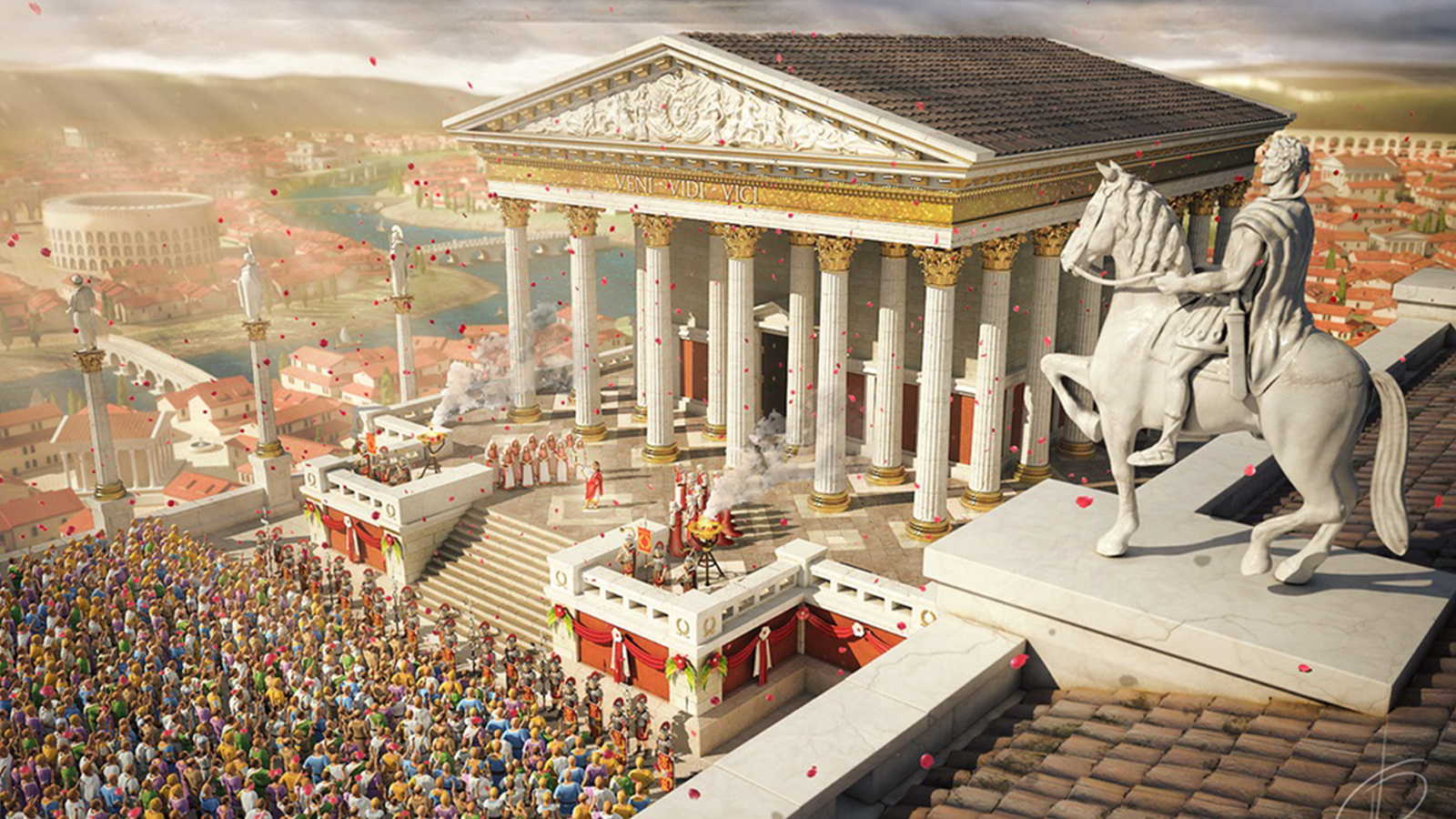
In the following passage of scripture, the intensity and breadth of the clamour was highlighted by ‘No little disturbance,’ demonstrating the Gospel’s enormous impact. The exclamation, ‘Great is Artemis of the Ephesians!’ conveys both the deep reverence for Artemis and the terror that engulfed people who depended on her worship for survival. ‘The city was filled with confusion’ aptly captures the chaos brought on by the strength and efficiency by which the church in Ephesus preached the uncompromising message of Christ.” 2
The Global Impact Of The Church Planting School In Asia
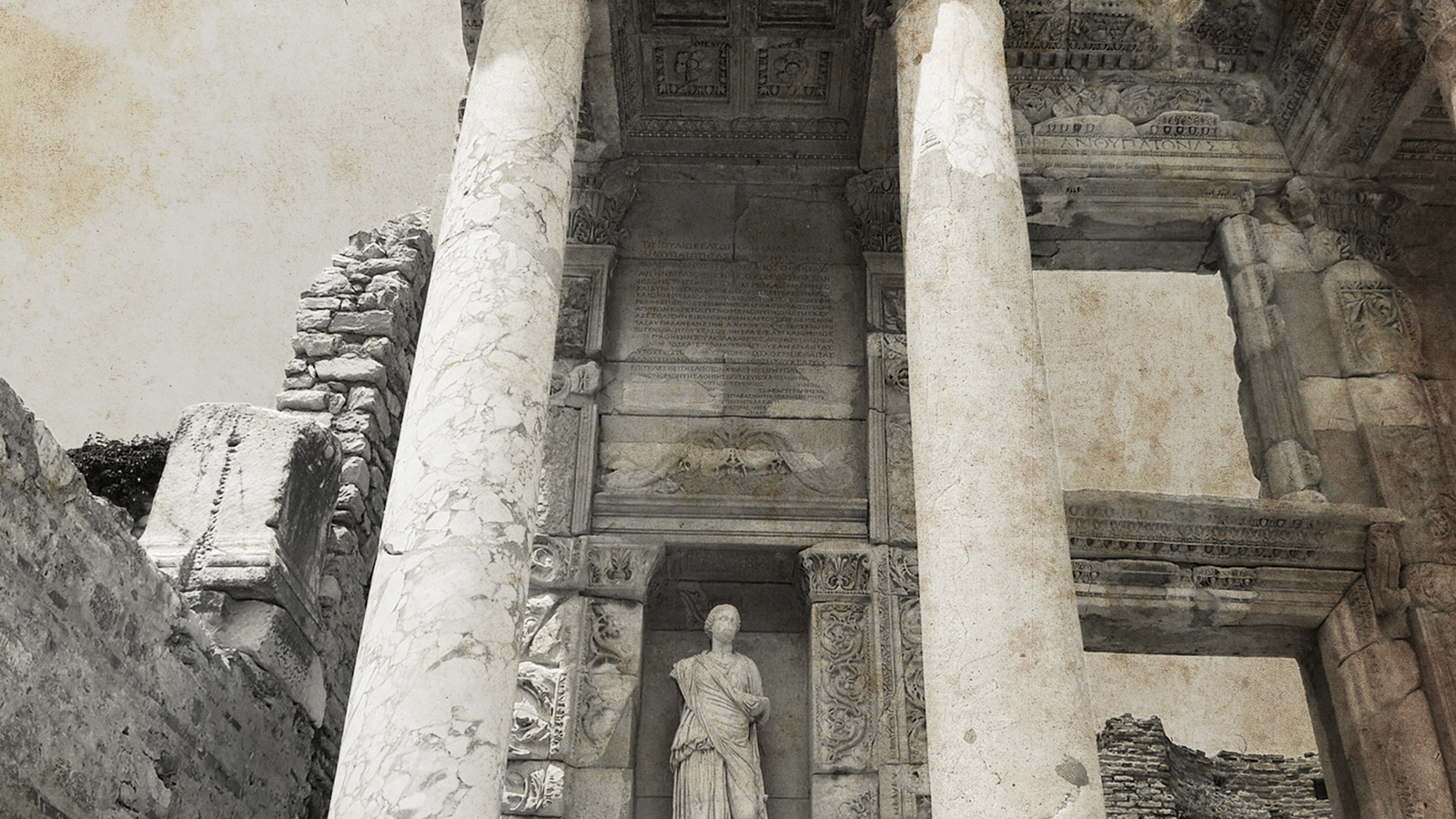
Paul started training leaders in Tyrannous’ lecture hall and established his church-planting school in Asia Minor. Within two years, he and his team reached a region of two million people, founding seven churches as mentioned at the beginning of the book of Revelation. The Seven Churches in the Book of Revelation:
- Ephesus
- Smyrna
- Pergamum
- Thyatira
- Sardis
- Philadelphia
- Laodicea
From Giftedness to Service: Understanding Spiritual Gifts and Ministerial Roles
Men ordained elders, but God the Father Himself ordains the office ministries of Ephesians 4:11, NKJV. Those who He calls must have the right heart and character. Genuine humility and obedience, not false humility and a self-serving agenda, are necessary. The flesh of man and woman hinders the building of the Father’s Church, preventing the supernatural and miraculous outpouring of the Holy Spirit.2
“Some” give these gifts to those who are called to a specific ministry role in the church. Not everyone possesses one of these gifts. This contrasts with the spiritual gifts of Romans 12 and 1 Corinthians 12, NKJV which are given to everyone in the church. The act of presenting these gifts to individuals called to a specific ministry role in the church is intentional. It is done with the purpose of equipping and empowering these individuals to fulfil their roles effectively
The contrast with the spiritual gifts of Romans 12 and 1, NKJV Corinthians 12, NKJV highlights the unique nature of these particular gifts and the significance of their distribution to only a select group of individuals. This distinction emphasises the specialised nature of these gifts and their importance in serving the church and its members, 1 Corinthians 12, NIV.

The Intersection of Spiritual Gifts and Ministry: Finding Balance and Purpose
Paul lists the spiritual gifts in Romans 12:6-8 as follows:
- Prophesying
- Ministering (Serving)
- Teaching
- Exhorting
- Giving
- Leading
- Showing Mercy
Paul wrote to the Christians in Rome about spiritual gifts and how to live for God. The passage emphasises the importance of these gifts in equipping the saints for ministry. The purpose of these gifts is to build up the body of Christ, promote unity in Jesus, increase knowledge of Jesus, and lead believers to full maturity. The active voice emphasises the role of individuals in utilising these spiritual gifts to serve God and others. By actively using and developing these gifts, believers can contribute to the growth and unity of the church, deepen their relationship with Jesus, and mature in their faith.
What is the Definition and Practice of an Apostle?
The Greek word “Apostolos” signifies a messenger, someone who is sent on a mission, an apostle.3 The Apostle is one who is chosen and sent by Christ, possessing the spiritual authority, moral fibre, aptitude, and skills necessary to reach out to others and bring them into line with the principles and values of the Kingdom, particularly through planting and managing local churches. They establish a foundation and ensure that it is maintained, Romans 1:1-4, NCV.
What is the Definition and Practice of a Prophet?
Prophets provide revelation, frequently interpret, apply, and time, and show God’s heart to His people. They also harbour a jealousy for the holiness and purity of Christ’s body. Serving in the role of a prophet significantly differs from having the gift of prophecy. God initially confirms this calling to the person, and then it is confirmed by other members of the five-fold ministry. Another prophet will most likely affirm this calling, but it can also be affirmed by an apostle, teacher, pastor, or evangelist, among others. In the New Testament, a prophetic figure imparts edifying, consoling, and exhorting messages (1 Corinthians 14:3, NKJV).
The spiritual gifts that Paul lists in Romans, chapter 12 include prophesying, ministering (or serving), teaching, exhorting, giving, leading, and showing mercy. These gifts are meant to guide and support the Christian community in Rome. In the passage, Paul discusses how to live for God, emphasising the importance of using spiritual gifts to serve others. An example of the distinction between the office of a prophet and the gift of prophecy can be seen in Jeremiah 1:4-10, NKJV. This biblical example and personal commission provide insight into the different aspects of prophecy.
What is the Definition and Practice of an Evangelist?
Evangelists gather unconverted people to the kingdom by sharing the gospel with conviction and leading them to Christ. They carry the heavy burden of reaching out to those who have not yet experienced the love of God. Signs and wonders often follow their message, confirming the truth of what they proclaim. The world has never heard a more powerful message of hope and salvation than that of Jesus.
The Lord has appointed them to bring good news to the oppressed, to comfort the brokenhearted, and to proclaim freedom to the captives. The Spirit of the Lord is upon them, empowering them to fulfil their calling. Isaiah 61:1, NKJV.

What is the Definition and Practice of a Pastor?
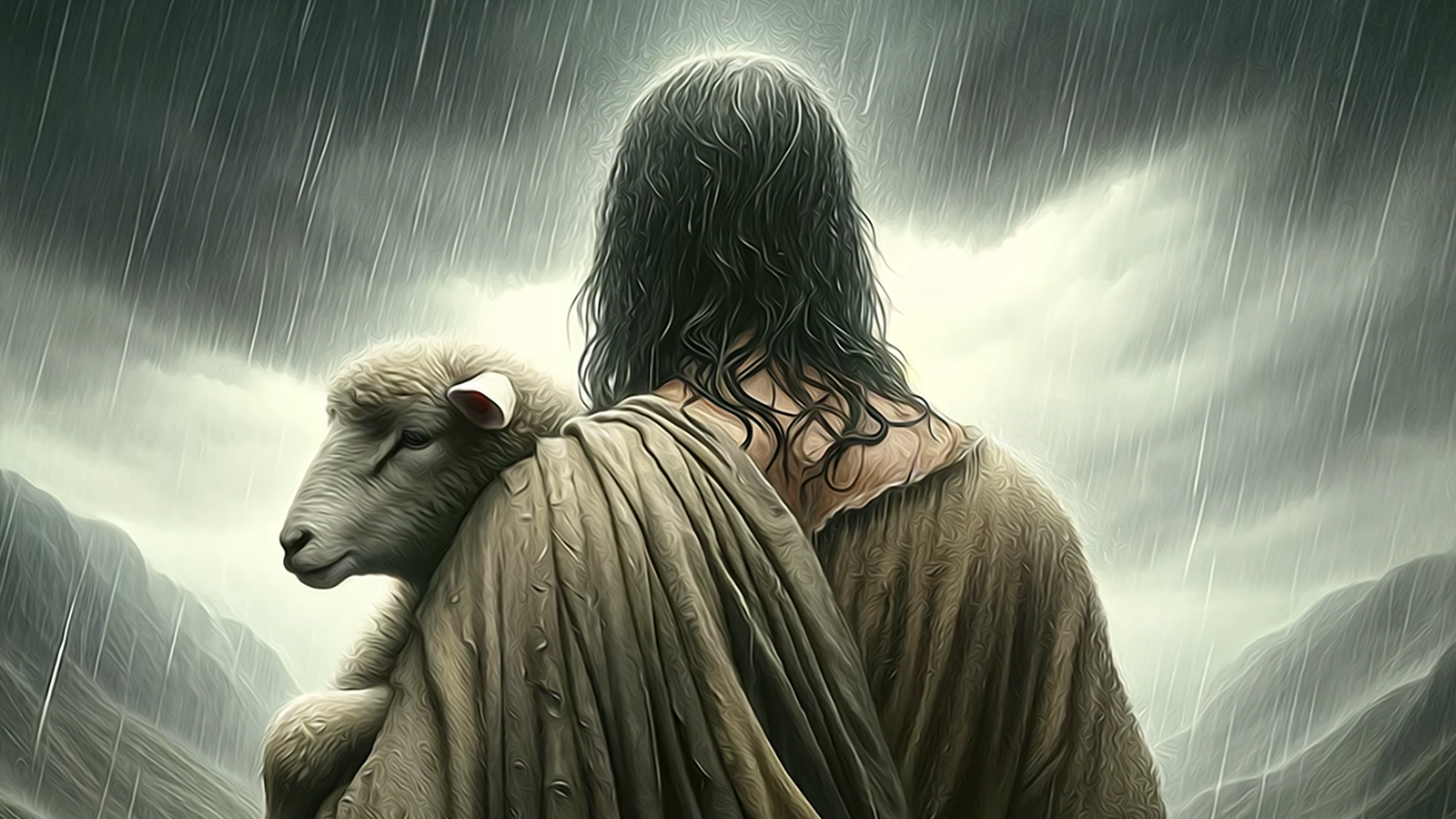
The Greek translation is Shepherd.4 The pastor acts as the church’s loving and protective epicentre. They lovingly shepherd their flock and are willing to make any sacrifice for them. Their desire is for the flock to be well-fed, to mature, to be well- equipped, to grow in their gifts, and to step into God’s calling for them, as children of the Father. (Pastor, elder, shepherd, and bishop all come from the same Greek term; consider, for instance, Timothy).
Of the five offices, the pastor’s are the most widely accepted in modern times. Many individuals called to these other offices have often been compelled to take on the role of pastor due to a lack of understanding about the other four offices, resulting in them taking on positions that were not intended for them and leading to conflicts, 2 Timothy 4:2, NKJV.
What is the Definition and Practice of a Teacher?
Teachers establish people on and in the truth by instructing and strengthening the church, increasing the members’ appetite for God’s Word. Apollos, for instance, actively demonstrates his strength in the scriptures by speaking and teaching accurately about Jesus in Acts 18:24-26, NKJV. The Three most important aspects of Teaching the word of God the Father are the following;
- The practicality of teaching the word: 2 Timothy 3:16, New American Standard Bible
- The anointing is needed for the teaching of the word: 1 John 2:27, New American Standard Bible
- The high level of responsibility that is placed upon Teachers: James 3:1, New King James Version.

Conclusion
- Jesus’ teachings and example provide a solid foundation for the Church to build upon, guiding its members in faith and service.
- The apostles and prophets, through their unique gifts and roles, support and strengthen the Church, ensuring its continued spiritual growth and relevance in the world.
- The active work of grace within the church is essential for spiritual growth and community engagement, emphasising the importance of leadership, care, and biblical wisdom.
- Paul’s teachings on the fivefold ministry highlight the unique roles of apostles, prophets, evangelists, pastors, and teachers in equipping the church for effective service and maturity in faith.
- The active work of grace within the church is essential for its growth and maturity.
Scott Sheridan
References
1. Author: Elis James W, ‘Apostle Paul in Ephesus: Christianity’s Clash with the Cult of Artemis’, European Journal of Theology and Philosophy PDF https://www.researchgate.net/publication/367437961_Apostle_Paul_in_Ephesus_Christianity’s_Clash_with_the_Cult_of_Artemis
2. Author: Johnson, Jeremiah, ‘Prophetic Pioneering: A Call To Build And Establish God’s New Era Wineskins’, Destiny Image, 2023
3. Authors: Douglas, J.D, Tenney ,Merrill C, ‘Zondervan’s Pictorial Bible Dictionary’ (Zondervan Classic Reference Series) Hardcover – 6 Sept. 1988
4. Author: Vine, W.E, ‘Expository Dictionary of Old & New Testament Words’, Thomas Nelson Publishers, Nashville, 1997